Honoring History:
A Day at the Museum of Aviation and a Conversation with a Vietnam Hero
By Vincent Jubes
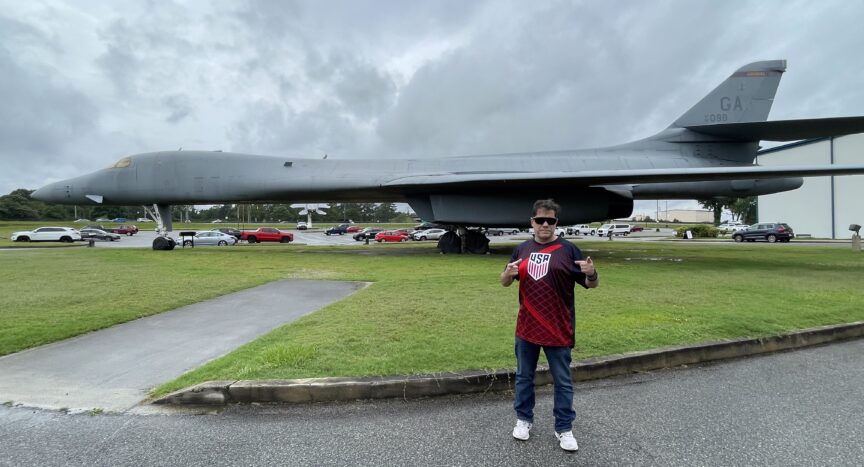
There is a profound difference between reading about history in a textbook and looking into the eyes of someone who actually lived it. During my recent visit to the Museum of Aviation in Warner Robins, Georgia, history came alive in the most unforgettable way.
As I walked through the museum’s enormous hangars, surrounded by some of the most iconic aircraft ever built, I expected to learn about aviation history. What I did not expect was to meet a veteran pilot whose experiences transformed the visit into something deeply personal and inspiring.
Walking Among Giants
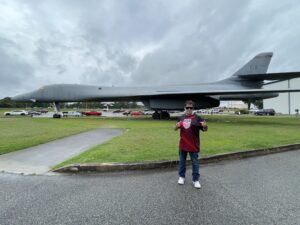
The Museum of Aviation is one of the largest aviation museums in the United States and serves as a remarkable tribute to the men and women who have served in the U.S. Air Force. Its vast collection includes legendary aircraft from different eras of military aviation, allowing visitors to experience the evolution of flight firsthand.
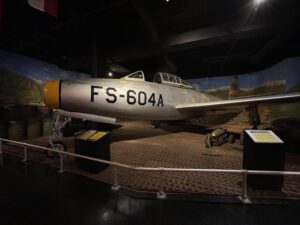
One of the most impressive sections of the museum focuses on the Cold War and Vietnam War eras. Here, visitors can stand beneath aircraft such as the F-4 Phantom, the B-52 Stratofortress, and the famous UH-1 “Huey” helicopter, each representing a chapter in America’s military history.
The aircraft themselves are extraordinary, but what truly sets the museum apart is its dedicated team of volunteer veterans. These individuals are not merely guides; they are living witnesses to history.
The airplanes are impressive, but the veterans are the heart of the museum.
A Conversation with a Vietnam Hero
While admiring one of the combat aircraft on display, I was approached by a gentleman wearing a volunteer vest and a cap decorated with military insignia. He introduced himself as a retired pilot who had flown missions during the Vietnam War.
What followed was one of the most memorable conversations I have ever had.
With remarkable humility, he shared stories about life in the cockpit. He described the intense heat, the constant noise, and the complete trust required between pilots and their crews. His words painted a vivid picture of the challenges faced by those who served far from home.
More moving than the technical details were his reflections on friendship and sacrifice. He spoke about the bonds formed between fellow airmen and remembered those who never returned. There was pride in his voice, but also deep respect for the men who served alongside him.
At one point, he gently placed his hand on the aircraft beside us. It became clear that this was not simply a museum exhibit to him. It was a piece of his life, a reminder of his youth, and a tribute to his comrades.
Shaking his hand and thanking him for his service was an honor I will never forget.
Why the Museum Matters
The Museum of Aviation does an exceptional job preserving aircraft and educating the public, but its greatest achievement may be preserving stories. Through its veteran volunteers, visitors have the opportunity to connect with history in a way that no book, documentary, or exhibit panel can fully replicate.
For anyone planning a visit, my advice is simple: take the time to speak with the volunteers. Ask questions. Listen carefully. Their experiences provide invaluable insight into the sacrifices, courage, and dedication of those who served.
History becomes far more meaningful when it is shared by the people who lived it.
Visitor Information
Location: Warner Robins, Georgia
Admission: Free of charge (donations are encouraged to support the museum’s educational programs and preservation efforts)
Best Advice: Seek out the volunteer docents and veterans. Their stories are among the museum’s greatest treasures.
My visit to the Museum of Aviation was more than a tour of historic aircraft—it was a reminder that history is ultimately about people. The planes may capture your attention, but the conversations with those who flew them are what will stay with you long after you leave.
Some experiences teach history. Others allow you to meet it face-to-face.IMG_0249